
Doctor Google Is Getting an Upgrade
AI Search Won’t Diagnose You, But It Will Sell You Something

This week, we’re breaking down:
✅ AI Search: The New Doctor in Town – How AI is rewriting the way we research health.
✅ Ads in AI Mode: Why wellness brands are about to get a crash course in AI-driven marketing.
✅ Trust or Bust? – How SGE is shifting patient research and where brands can ride the wave.
How We Got Here
Once upon a time, if you wanted to research a health issue, you typed a question into Google and scrolled through a mix of medical sites, personal blogs, and Reddit debates before landing on a source you trusted.
Now?
Google’s AI Overviews are cutting through the clutter for you—but not necessarily in a way that benefits everyone.
Google’s AI doesn’t just find answers anymore—it creates them. And that shift changes the game for healthcare providers, wellness brands, and anyone who relies on search to get discovered.
Here’s where it gets interesting: Google is willing to give AI-powered answers for medical questions, but it’s being a lot more careful about how.
You might get a generated response for “how to treat a sinus infection,” but you won’t get one for “how to do stitches at home.”
Meanwhile, if you search for wellness-related topics like “best probiotics” or “top hydration supplements,” Google AI won’t hesitate to serve up curated recommendations, expert opinions, and soon—ads.
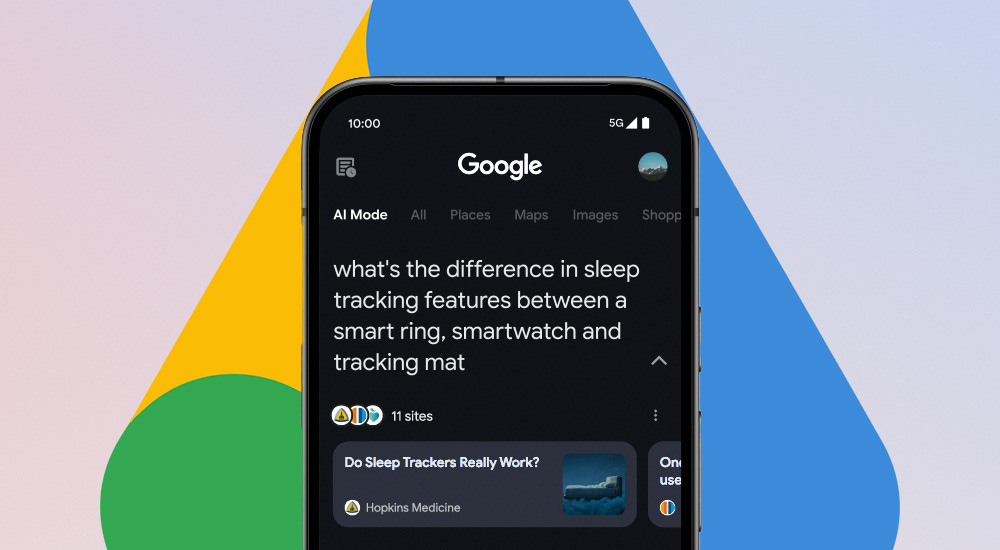
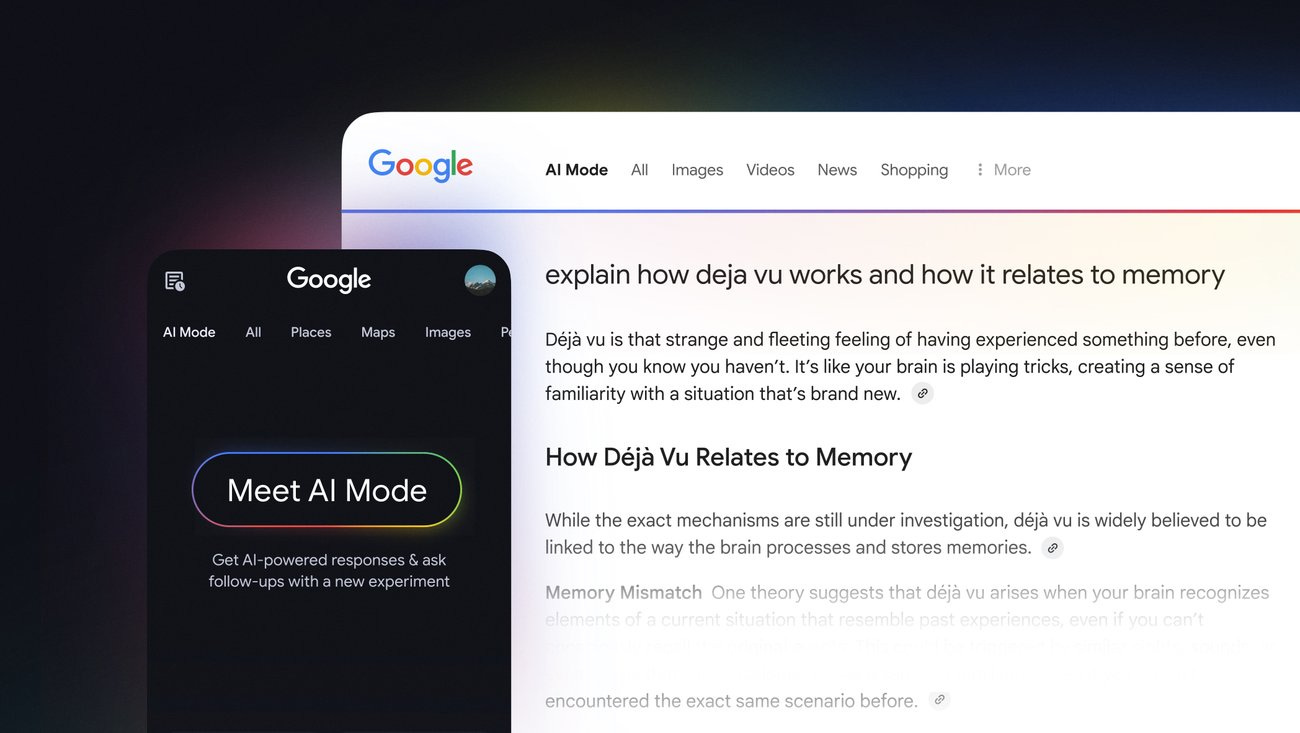
In a recent interview with ADWEEK, Google said they will explore bringing ads into its new AI Mode that rolled out in beta two weeks ago.
Ads aren’t currently visible in AI Mode, but Google said it will “leverage learnings” from ads products built into existing AI Overviews to inform its approach within AI Mode.
The message is clear: Google doesn’t want to be your medical doctor, but it’s happy to be your wellness coach/ CPG salesmen/ personal therapist.
The Rise of AI Gatekeeping
Here’s the shift that’s coming, whether we like it or not: AI search isn’t just surfacing what’s out there—it’s deciding what’s worth showing at all.
If you’re a healthcare provider, this could mean:
Fewer organic search visits—because AI Overviews answer patient questions before they ever click through
More emphasis on brand trust—if AI does pull from your site, it’ll likely be because you have high credibility (think Mayo Clinic, not Dr. Joe’s Blog)
A need to own the patient journey outside of search—direct referrals, local SEO, and strong patient relationships will matter more than ever
If you’re a wellness or lifestyle brand, you should also buckle up:
AI-generated recommendations are about to reshape product discovery—and you won’t always control where you land in that mix
Paid search is about to get more competitive—Google has already confirmed ads are coming soon to AI Overviews, meaning if you’re not in, you’re out
SEO isn’t dead, but it’s evolving—because now, it’s not just about ranking—it’s about whether AI sees you as a trusted source worthy of making it into the results at all
So What’s the Move?
Healthcare brands need to focus on authority signals—because the AI-generated search landscape will likely favor sources with strong reputations, verified expertise, and consistent accuracy.
That means press mentions, patient testimonials, high-quality content, and local SEO are now essential.
Wellness brands have to be more strategic about paid media—because organic search may no longer be enough to drive product discovery. With AI Overviews pulling in both curated recommendations and ads, brands need to be smart about how they position themselves in both paid and organic search.
Everyone should be experimenting with other discovery platforms—because if AI search is changing the game, that means TikTok, Reddit, YouTube, and even first-party email and community marketing become bigger players in how people research and make decisions.
The biggest shift?
AI is no longer just a search tool—it’s a decision-maker.
The question isn’t whether AI will change how people find healthcare and wellness solutions. Because it already has.
The real question is: how do you make sure it picks you?
Inside The Parallel Path Group Chat:
💄 Ulta’s CMO on Social Strategy & Loyalty: Ulta’s Kelly Mahoney says brands need to build long-term connections with customers, not just chase trends. Wellness marketers, take note: relationships drive retention.
🏀 Women’s Sports = Big Business: Women’s sports ad effectiveness jumped 56% YoY, fueled by a 131% increase in viewership. Skims, Vuori, and Athleta are leading the charge. The lesson? Invest where attention is growing.
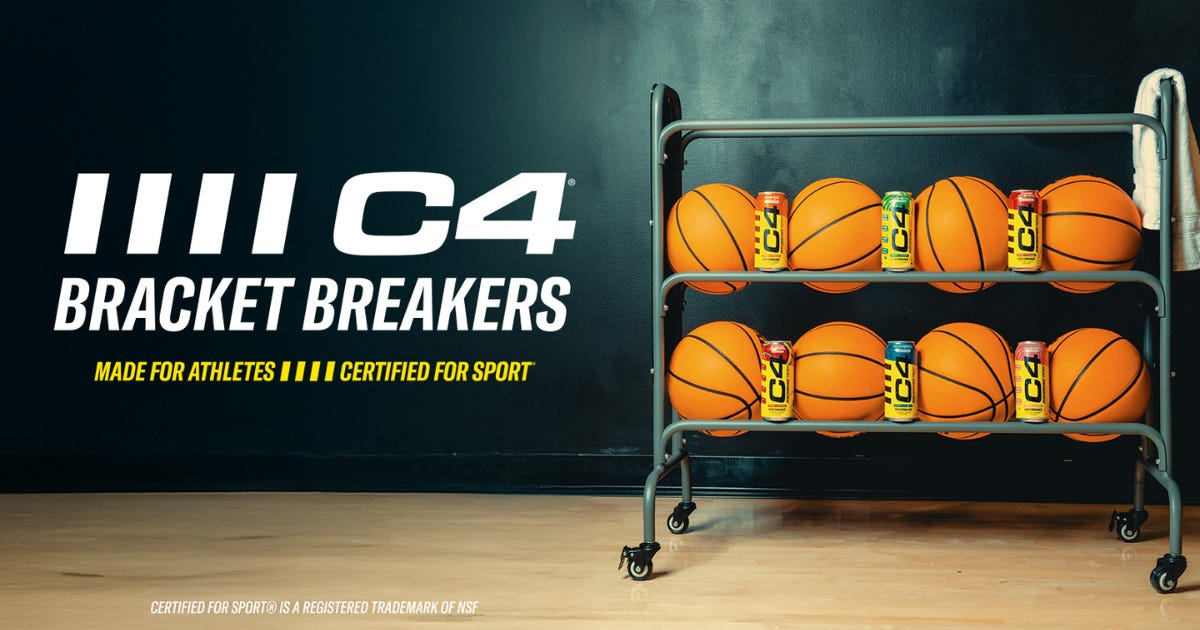
💪 C4 Energy’s Full Court Press on March Madness: C4 Energy just signed 128 college basketball players to NIL deals. Why? Because it just got a federal sports certification that makes it NCAA-safe, and now they’re flexing that credibility because nothing says energy like a three-pointer in the month of March.
About Side Effects May Vary:
The fine print of health and wellness marketing—decoded. We cut through the noise, call out the B.S., and give you insights you won’t find anywhere else.
About Parallel Path:
Health and wellness marketing is flooded with sameness. At Parallel Path, we cut through it. Strategy that actually drives growth. Creative that actually gets noticed. Media that actually performs.
We move fast, think sharp, and get brands where they need to go. If that interests you, let’s talk!