
The New Truth in Health and Wellness
Expertise Is Out. Experience Is In.

This week, we’re breaking down:
✅ Why a TikTok video on “what I eat in a day” pulls more weight than a PhD
✅ The danger of chasing virality without vetting credibility
✅ How smart brands are using both clinicians and influencers to win
Once upon a time, we believed people in lab coats. Now? We believe stay-at-home moms with ring lights.
The biggest voices in health and wellness aren’t doctors or dietitians anymore. They’re influencers with a sturdy tripod, a compelling "before and after," and an audience that listens.
And honestly? That’s not necessarily a bad thing. Consumers today want proof that isn’t tucked inside a peer-reviewed study. They want "this worked for me," not "in a double-blind clinical trial..."
It’s not a rejection of science. It’s just a new expectation: Show me the results. Show me the story. Show me why it matters to me.
And for better or worse, they’re finding that proof in their feeds.
When Influence Goes Off the Rails
We love a good glow-up story. But sometimes the wellness world gets a little too comfy blurring the line between personal experience and public health advice.
Think:
⚠️ Fitness influencers preaching hormone protocols without any medical training
⚠️ Supplement brands selling vibes over verified ingredients
⚠️ Celebs launching wellness brands based on absolutely zero clinical science
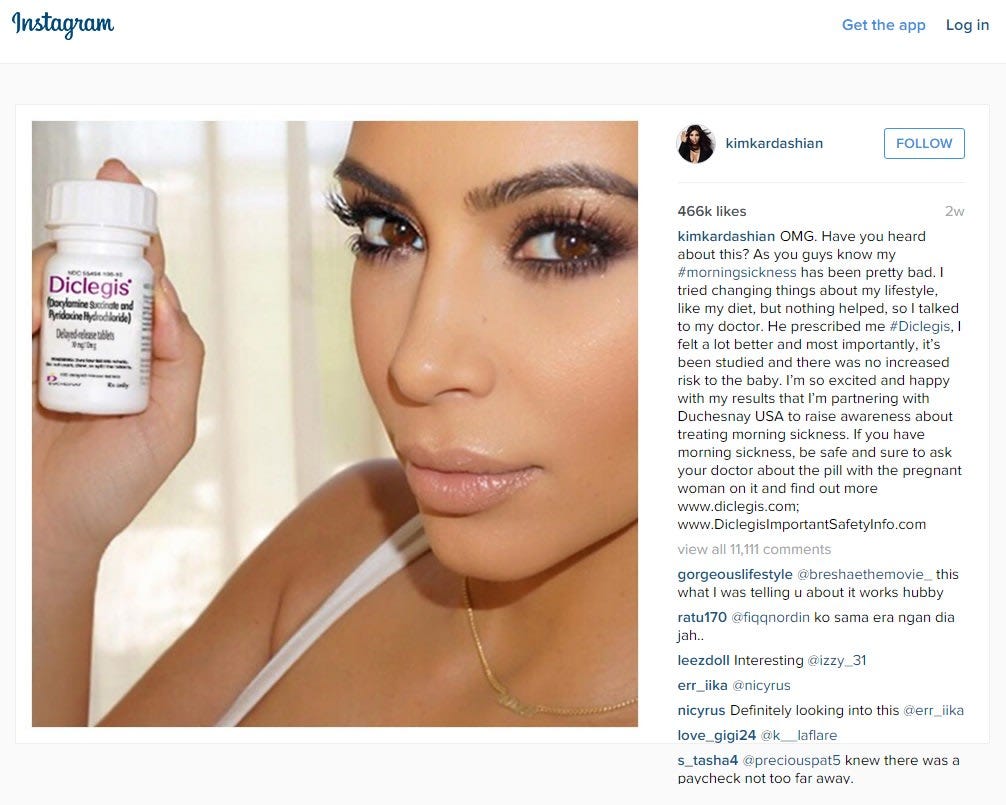
Remember the good old days of 2015 when Kim Kardashian promoted a “morning sickness pill” on Instagram without mentioning any FDA-required warnings? Those 466K likes also came with a formal warning letter for failing to communicate risk information. Kim got her wrists lightly slapped, but the brand was the one who ultimately took the fall.
If you're already using influencers, awesome!
Just make sure they know where the science stops and the marketing spin begins. The backlash will hit you, not them.
The bigger the reach, the bigger the risk. Especially when “wellness” starts drifting into “healthcare” without the licensure to back it up.
So What’s a Brand to Do?
If you’re a wellness brand:
Influence is your backbone. But not all influence is good influence.
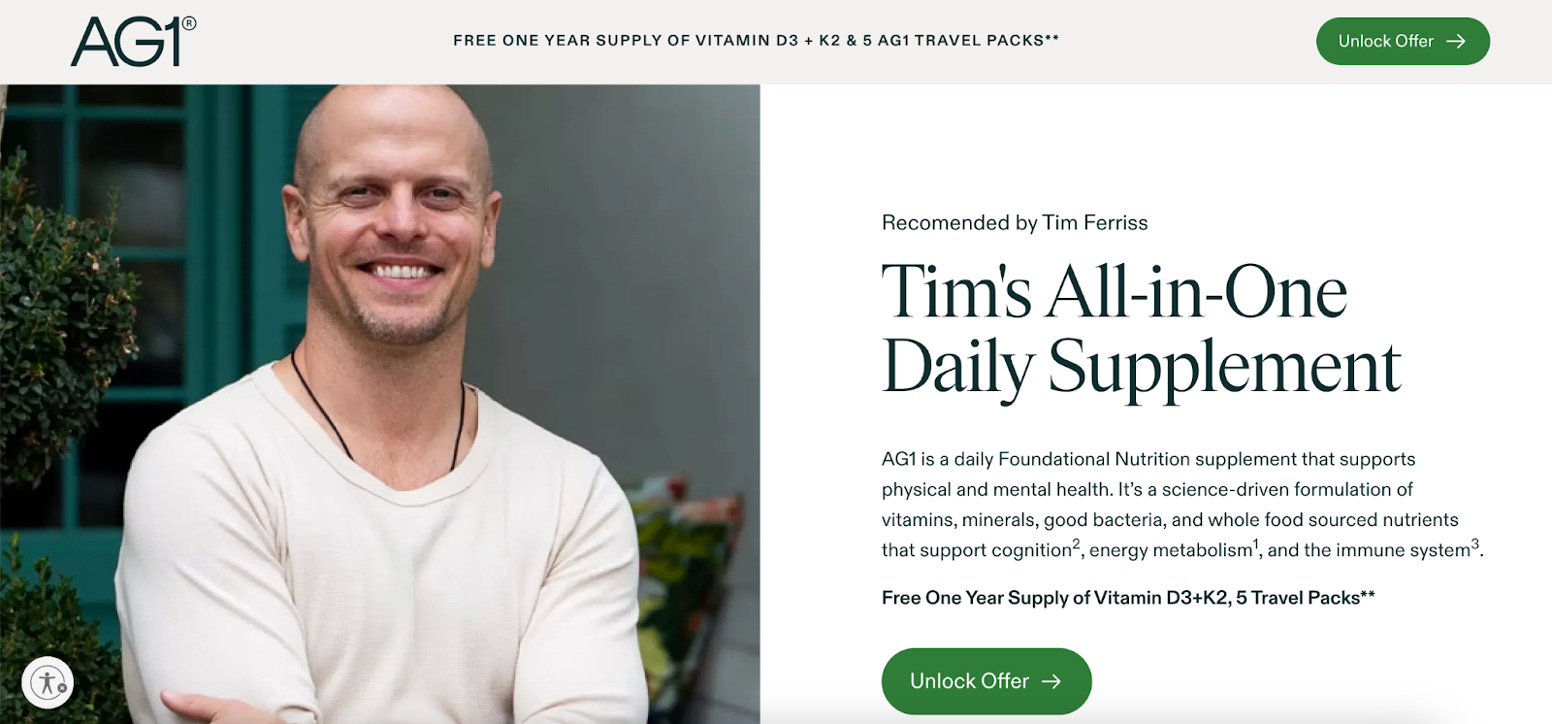
Take notes from AG1: they didn’t just tap fitness and nutrition experts. They went after comedians, podcasters, foodies, reality TV stars—anyone with a highly engaged, trusted community. They prioritized trust over titles, and it worked.
✅ Vet your influencers like you vet your ingredients.
✅ Skip the spray-and-pray gifting. Build long-term partnerships that feel authentic.
✅ Work with people who actually use your product—not just whoever’s trending.
✅ And please, for the love of FDA compliance, set some guardrails.
If you’re a healthcare brand:
You don’t need to turn your medical team into TikTok stars. But you do need to make expertise feel human.
Take a page from brands like Talkspace. They didn’t just have clinicians explaining the benefits of therapy, they brought in Michael Phelps to share his personal story.
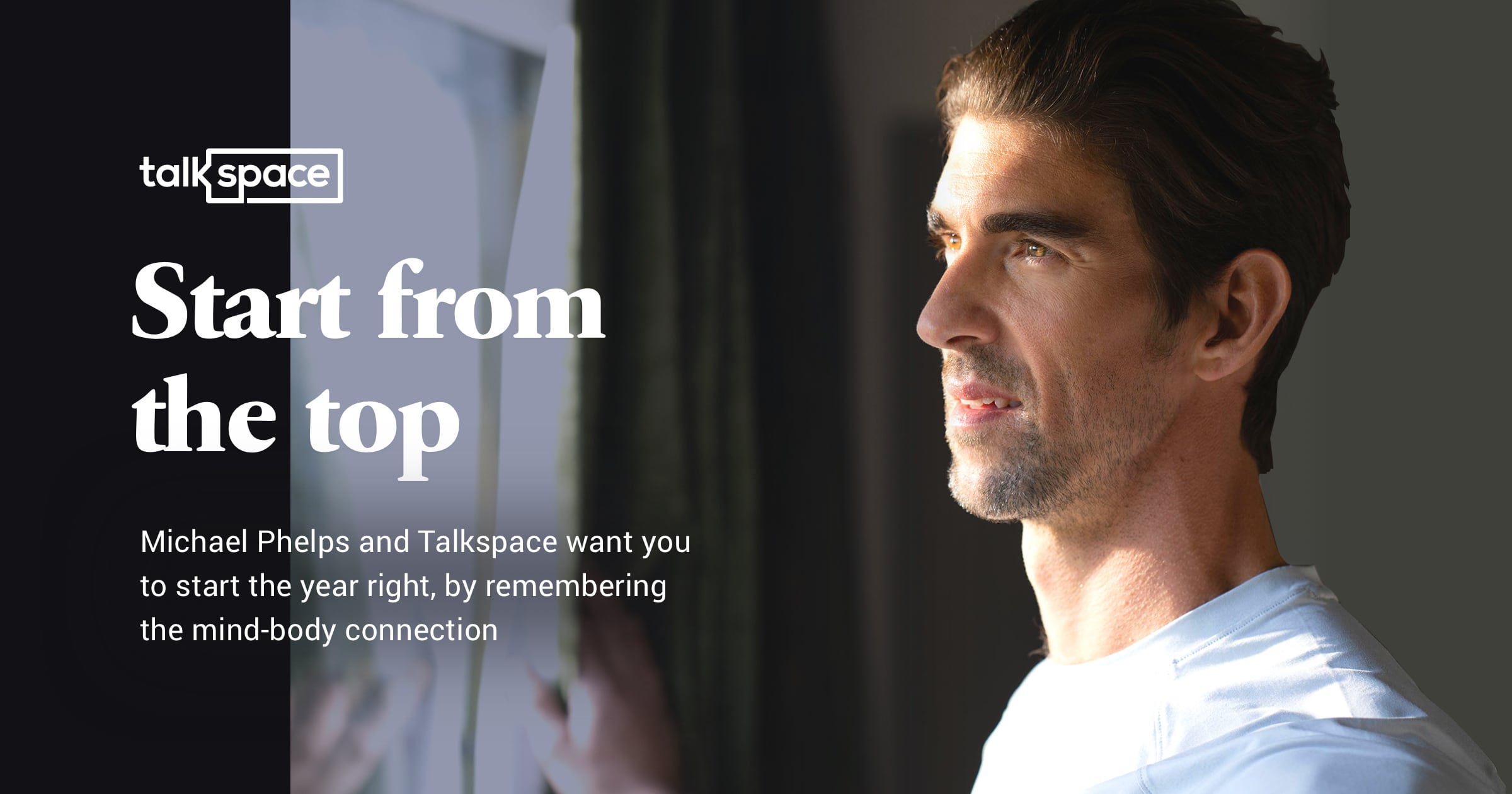
An 18-time gold medalist openly talking about depression made therapy feel accessible, not clinical. It humanized the platform without watering down the seriousness of the service.
That’s the power of influence done right: real experience + real expertise = real impact.
✅ Translate your expertise into everyday language.
✅ Make your clinicians relatable. Think “smart friend” over “robot doctor.”
✅ And when it makes sense, bring in trusted public figures who can bridge the gap—without sacrificing credibility.
This isn’t about choosing between MDs and influencers.
It’s about building a strategy where they work together and knowing when to let each shine.
Inside The Parallel Path Group Chat:
🍿 Khloé Kardashian Wants to Be Your Snack Dealer – Khloé just launched Khloud, a protein-packed popcorn line that lands her in the wellness-adjacent snack aisle. Will it pop off or fizzle out? TBD.
📺 YouTube Is Now Just “Television” – Nielsen data shows that YouTube is the most-watched streaming service on connected TVs, and even the 65+ crowd is getting in on the algorithm. If your video strategy still starts and ends with Instagram Reels, it might be time to reframe.
👟 Adidas + Strava = Peak Spring Energy – Adidas is teaming up with Strava to offer up to 12 free months of premium access for AdiClub members. They’re tapping into the “new year, new training plan” mentality ahead of spring marathon season. It’s a smart loyalty play—rewarding real runners with something they’ll actually use, not just branded swag they’ll forget by April.
About Side Effects May Vary:
The fine print of health and wellness marketing—decoded. We cut through the noise, call out the B.S., and give you insights you won’t find anywhere else.
About Parallel Path:
Health and wellness marketing is flooded with sameness. At Parallel Path, we cut through it. Strategy that actually drives growth. Creative that actually gets noticed. Media that actually performs.
We move fast, think sharp, and get brands where they need to go. If that interests you, let’s talk!